Slim + Silk
Learn about Silk →The silhouette draws the eye while the soft silk-laminate surface makes the whole card feel considered in the hand.
Starting at $46 · 250 cards
Shop this Combination →

A slim card is a deliberate choice. SilkCards cuts the narrow, editorial profile from the same premium 32pt+ stock and finishes as a full-size card — so a minimalist silhouette reads as confidence, made on purpose.
From $46 · 250 cards
The silhouette draws the eye while the soft silk-laminate surface makes the whole card feel considered in the hand.
A soft, tactile surface behind a minimalist layout. The restraint shows; the touch confirms.
Thick, uncoated, and naturally textured 45pt cotton — the narrow silhouette on a stock that feels substantial the moment it is handed over.
A single foil mark on a narrow card is restraint at its sharpest — metallic detail that catches light against generous space.
Clear gloss lifts one detail on the narrow face — a single mark or rule tracing the editorial layout, nothing more.
A painted or foil edge finishes the narrow silhouette on the third side — the format looks intentional from every angle.
Real feedback from trusted professionals who expect more than ordinary business cards.
We’ve helped brands turn paper, shape, texture, and finish into confidence that makes stronger first impressions.
Get a sample kit and feel the cut profile on real premium stocks for yourself.
Get guidance on plane choice, shape source, stock compatibility, and finish combination.
Slim is a straight-cut shape. We trim the height to a narrow 1.75″ editorial profile while keeping the familiar 3.5″ length — cut from premium 32pt+ stock so the silhouette reads as a decision, not a corner cut.
The card trimmed to a narrow 1.75″ height on the standard 3.5″ length — a deliberate, editorial silhouette, not a shrunken mini card.
Works on most stocksThe 3.5″ length is unchanged, so the card still files and indexes like a normal business card. Only the profile narrows.
Files like a standard cardSlim is a silhouette, not a lighter card. Every slim card stays on substantial 32pt+ stock, so the weight in the hand is part of the impression.
Built on 32pt+ premium stockSlim is part of the SilkCards die-cut family, so the narrow profile can be paired with rounded corners or other custom shapes on premium stock.
Optional custom corners“I cannot thank this company enough! My business cards are absolutely fabulous and I have received so many compliments on them. The pictures will not do them justice. I got the suede finish, 48 pt thick cards with silver foil on one side and the edges. They are so luxurious.”
Slim is best for professionals and brands built on taste and restraint — for whom the narrow, editorial profile is the point, not the standard rectangle.
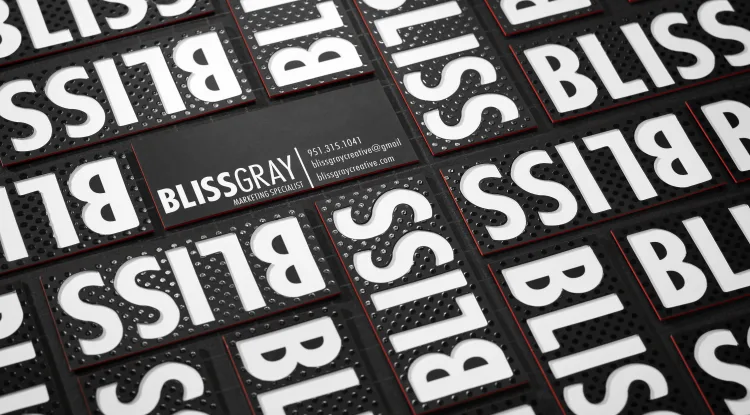
The narrow, editorial profile shows taste before the typography reads. A slim silhouette signals a considered aesthetic at the handoff.
See studio ideas →The narrow profile tells the eye what kind of brand it holds. The premium weight tells the hand it was a deliberate choice. Used with intention, slim turns a printed rectangle into an editorial object.
A narrow, editorial profile says “this was chosen” before the typography even reads.
Less surface forces a cleaner hierarchy. The card looks designed because every element had to earn its place.
Foil, emboss, and edge finishes all survive the cut. On a narrow card, one well-placed finish does the work of a busy layout.
Cut from 32pt+ stock, the weight in the hand is what separates restraint from emptiness.
A slim card is hard to judge on a screen. A sample kit lets you feel the weight of 32pt+ stock, the surface, the edge, and how the narrow profile sits in the hand — and it ships free.
Send us your logo, sketch, or inspiration image. We will shape the narrow layout — what leads, what fits on the back, and which single finish carries the card — and turn it into a print-ready slim card.
Keep Exploring
The same substantial 32pt+ construction slim is cut from — premium weight you feel in the hand, not a lightweight commodity stock.
Explore ThickA single foil mark is restraint at its sharpest — metallic detail against the narrow card’s generous space.
Explore FoilA painted or foil edge finishes the narrow silhouette on the third side — intentional from every angle.
Explore Edge Finishes
Most printers treat slim as a smaller, faster rectangle on lightweight stock. SilkCards cuts the narrow profile from full-weight premium stock — and that is where restraint becomes a statement, not a shortcut.
We cut slim from the same substantial stock as a full-size card, not the lightweight 16pt commodity default. The weight in the hand is part of the editorial impression.
Foil, emboss, Spot UV, and painted or foil edges all hold on the narrow silhouette. On a slim card, one well-placed finish carries the whole impression.
A strong slim card starts with restraint: one important element, premium stock, and a single finish that does the talking. Lead with what matters — the narrow format keeps you honest.
✓ A rectangle is not enough — you want a narrow, editorial profile that stands out precisely because it is not the standard shape.
✓ Your brand is built on taste and restraint.
✓ You want the card to feel deliberate the moment it is handed over.
✓ You want one considered finish to carry the whole impression.
✓ You want premium 32pt+ weight in the hand, not a lightweight mini.
A narrow 1.75″ × 3.5″ height on the standard length — the editorial silhouette, half a standard card.
Premium 32pt+ construction with real weight, the same stock as a full-size SilkCards card.
A logo, a name, or type only — one thing leads the narrow face, the rest moves to the back.
A single foil, emboss, Spot UV, or edge that earns its place and carries the whole impression.
Silk, Suede, or uncoated behind the layout — the surface sets the tone before the finish.
Use the back for a website, QR code, or accent without crowding the clean front.
Send us your logo, sketch, or inspiration image. We will shape the hierarchy for the narrow format — what leads, what moves to the back, and which single finish carries the card.
The difference is not only the profile. It is what the card is cut from. A commodity mini is a lightweight rectangle sold on speed. A SilkCards slim card is a premium 32pt+ editorial cut.
| Capability | Mass-Market Mini | SilkCards Slim |
|---|---|---|
| Profile | A shrunken rectangle, often on a fixed stock template. | A deliberate 1.75″ × 3.5″ editorial cut on the standard length. |
| Stock & thickness | Lightweight 16pt commodity stock. | Premium 32pt+ construction, the same as a full-size card. |
| Weight in hand | Thin and easy to forget. | Substantial — the weight is part of the impression. |
| Finishes | Rarely offered; the format is treated as basic. | Foil, emboss, Spot UV, and painted or foil edges all survive the cut. |
| Layout help | Template only. | Design Help shapes the narrow hierarchy so less reads as more. |
| Finish combinations | Limited or unavailable on the format. | Slim pairs with foil, Spot UV, emboss, and edge finishes. |
On a narrow card, one well-placed finish does the work of a busy full-size layout. Pair the slim profile with the SilkCards finish library — each has its own page when you want to go deeper.
A soft silk-laminate surface makes the narrow card feel considered in the hand — a polished base for a minimalist layout.
A soft, tactile surface behind a restrained layout. The narrow profile shows; the touch confirms.
A single foil mark on a narrow card is restraint at its sharpest — metallic detail against generous space.
A woven, natural surface at a slim profile — quiet texture that reads as editorial restraint.
A painted or foil edge finishes the narrow silhouette on the third side — intentional from every angle.
A blind emboss adds touch without adding ink — the only ornament a minimalist slim card needs.
Slim amplifies considered design; it doesn’t rescue weak design. These are the choices to avoid — and what to do instead.
A thin 16pt slim card reads as a cost cut, not a design choice — the format looks dated instead of deliberate.
The weight in the hand is what separates restraint from cheapness. Substantial stock makes the narrow profile read as intentional.
Forcing a full-size amount of copy onto a slim card kills the restraint that makes the format work.
Let a logo, name, or single line lead. Move the rest to the back. Less surface is a design advantage, not a limitation.
Three finishes fighting on a narrow card read as effort without idea — fussy, not considered.
A single foil mark or blind emboss does more on a slim card than a stack of finishes. One considered detail is the statement.
Reusing a full-size layout at a narrow height crops the work and loses the editorial intent.
Set the hierarchy for the narrow format first. The slim silhouette should be the frame the design was built for, not an afterthought.
The essentials most buyers ask before choosing slim — short and to the point.
A narrow 1.75″ × 3.5″ profile — about half the height of a standard card, on the familiar 3.5″ length. A deliberate editorial silhouette, not a shrunken mini.
No. Slim describes the narrow profile of the cut, not the weight. Every slim card stays on premium 32pt+ stock; only the height is reduced.
Yes. Foil, embossing, Spot UV, and painted or foil edges all survive the narrow cut. On a slim card, one well-placed finish carries the whole impression.
Yes — the narrow profile slides easily into a wallet, badge slot, or cardholder, and the unchanged 3.5″ length still files like a normal card.
SilkCards slim business cards are cut to a narrow 1.75″ × 3.5″ (a half-height card on the standard 3.5″ length); a 3.5″ × 1.5″ variant is also common. The length stays familiar so the card still reads as a business card — only the profile narrows. The result is a deliberate, editorial silhouette, not a shrunken mini card.
Yes. The narrow profile is the point — a slim card slides easily into a wallet billfold, a badge slot, or a cardholder where a full-height card sits proud. Because the 3.5″ length is unchanged, it still indexes and files like a normal business card. The reduced height is a feature, not a compromise.
When they are cut from premium stock, yes — distinctly so. A slim card on heavy 32pt+ stock with a foil or embossed detail reads as an intentional, design-literate choice. What can look dated is a lightweight mini on commodity stock — not a narrow profile cut from substantial 32pt+ weight. Restraint is the statement: the editorial cut signals confidence.
A standard business card is 3.5″ × 2″. A slim card keeps the 3.5″ length but narrows the height to roughly 1.75″ — about half the standard height. It is a difference of profile, not of quality: SilkCards cuts slim from the same premium 32pt+ stock and offers the same finishes. Slim trades surface area for a sharper, more editorial silhouette.
Yes — and this is what separates a SilkCards slim card from a mass-market one. Foil stamping, embossing and debossing, Spot UV, and painted or foil edge finishes all survive the narrow cut. The finishes are what make the format feel intentional. On a slim card, one well-placed finish carries the whole impression. See our Foil, Silk Laminate, and Edge Finishes pages for pairings.
Premium, substantial stock — typically 32pt and up, the same construction as a full-size SilkCards card. Slim refers to the narrow profile of the cut, not to the weight of the stock. We build slim on substantial 32pt+ construction rather than the lightweight 16pt commodity printers default to, because the weight in the hand is part of the editorial impression. Slim is a silhouette; the card is still thick and substantial — the opposite of our Thick cards on a different axis, not the same thing.
Less surface forces a clearer hierarchy, which is the point. A slim card comfortably holds a name, title, one or two contact lines, and a mark or logo. Print both sides to add a website, QR code, or tagline. The constraint is a design advantage — it pushes you to lead with what matters. If a layout feels tight, our Design Help team can shape it.
Yes. Slim cards print front and back, which is the simplest way to add a website, QR code, social handle, or a second message without crowding the face. A common editorial layout keeps the front to a name and mark, then uses the back for contact details or a single foil accent. Double-sided printing keeps the front clean while still carrying everything you need.
Restraint with intention. An effective minimalist business card removes everything that is not essential, then gives the few elements that remain real quality — premium stock, generous negative space, and one considered finish such as foil or a blind emboss. The slim profile is a natural home for minimalist design: the narrow format enforces the discipline, and the heavy stock keeps it from feeling sparse or empty. Restraint is the statement.
Yes. Slim is part of the SilkCards die-cut family, so the profile can be paired with rounded corners or other custom shapes. Where commodity printers treat rounded slim cards as a stock template, we treat the cut as a deliberate design decision on premium stock. Explore the full range on our Die-Cut Business Cards hub, including square and other custom silhouettes.
Slim cards suit anyone whose brand is built on taste and restraint — designers, architects, photographers, fashion and hospitality brands, galleries, salons, and minimalist studios. The narrow, editorial profile signals a considered aesthetic at the handoff and stands out precisely because it is not the standard rectangle. It is a strong fit wherever the card itself is meant to be part of the brand experience.
Start your order through the configurator, or request a Free Sample Kit first to feel the stock and finishes in hand. If your layout needs shaping for the narrow format, our Design Help team — a consultant paired with a designer — will translate your logo or direction into a production-ready slim card. Bring a logo, a sketch, or a rough idea and we will build the editorial cut around it.